Teaching good hygiene skills is a necessary evil in special education. There are, however, some good hygiene tips and resources I found helpful with my students (and my own son, who spent all his school years in a special education classroom).
Not easy, but doable
Ok, so I admit it. As a teacher, I hated teaching hygiene skills. I like things to be neat and clean. Keeping track of 5-10 hygiene kits meant LOTS of mess and potential for germs to spread. I felt I had to:
- Make sure the bathroom was clean enough to practice tooth brushing
- Make sure the kits dried out so mold and mildew did not grow
- Keep students from painting with toothpaste and licking deodorant sticks
The other main issue was that I couldn’t find any good hygiene tips or resources that worked for my students. Most of the materials given or loaned to me assumed my students could follow multi-step directions. Most of my students were only able to follow, at most, 2-step directions. And, those often needed a lot of visual support. Many available hygiene activities require significant modifications to be accessible to students with significant challenges.
Start with small hygiene tips
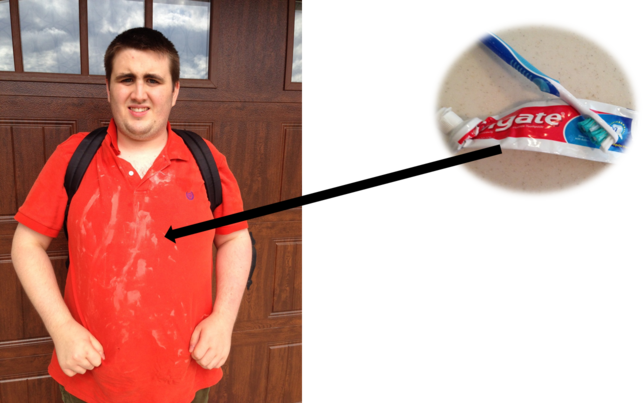
Teaching hygiene skills was tough, but I felt it was very important. But I also learned quickly to start slow with small skills I felt I could control. Unlike what happened in this picture below.
Many of us teach in multi-grade level and multi-age classrooms. That means you will have students at different stages of learning, including hygiene skills. You will need to develop a plan that addresses not only different hygiene skills but also the same skill at different learning stages. But, with some good task analysis, it is very doable.
Tracking hygiene data
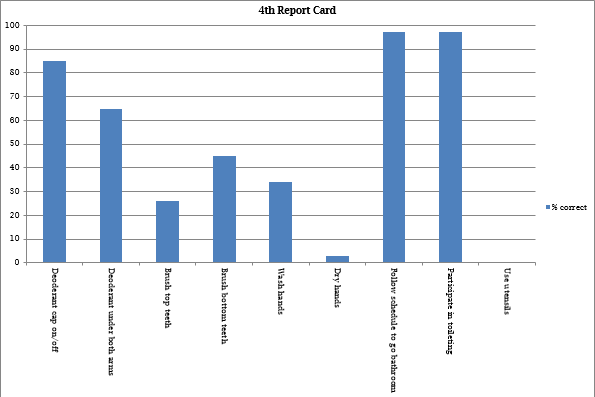
Many of our students will have hygiene skills on their IEP. That means we need to track specific data to determine whether and how much progress our students are making. Here are some things you should keep track of:
- How much prompting was used? Was it faded?
- Were the top AND bottom teeth brushed?
- Did deodorant end up in the right place? Under BOTH arms?
Keeping it as natural as possible
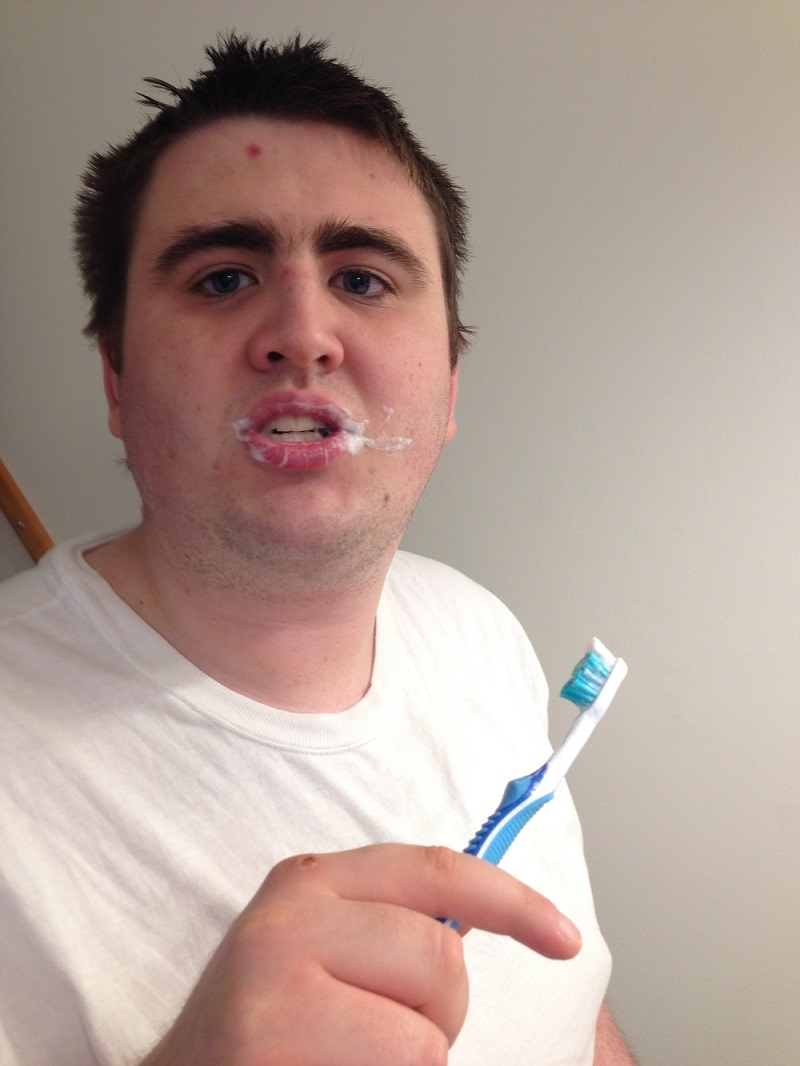
Some hygiene skills feel weird to teach in the classroom. Putting deodorant on was one of those. But I found it to be a skill that some of my students had a lot of sensory issues with. Parents needed my help and the help of related service providers to overcome some of those sensory issues, so the skill would eventually be more successful at home. So, after recess and PE, the older kids would head to the bathroom to reapply deodorant. And after snack and lunch, we would all brush our teeth.

Hygiene tips and resources for YOU
There are lots of fun ways to teach hygiene. I have a blog post on using charades to teach hygiene skills, including a free download of all the game cards you need to get started.
I also put together the pieces I used over the years into a unit that works really well in a self-contained setting. There is a PowerPoint with photos and simple text about the importance of good hygiene, along with lots of hygiene tips, worksheets, and activities.
Free social story
Social stories are a great way to teach personal hygiene skills. To download your free copy of the social story booklet from my hygiene unit, which is all about the importance of using a tissue (as opposed to picking your nose), click the button below.

Communicating hygiene tips and routines
One last, but very important, consideration. Make sure you clearly communicate to your parents what their normal routine looks like and which hygiene skills they would like their kids to learn while in school. You will be relying on parents to supply you with various personal hygiene products, so starting in an atmosphere of team spirit and cooperation is essential.
In addition, parents need a way to transfer what students learn in the classroom into the home. This will likely require some direct, face-to-face communication, as well as visual supports and schedules for home use. After all, if the student will only use deodorant or toothpaste in the classroom, then we truly have not taught them a valuable life skill.

4 Comments
Excellent and informative article, Christa, and very appropriate to our “subject”. 🙂
Yep, you never stop learning. It takes longer for some than others 😉
I tried to get the free social story, but I didn’t get it. Checked spam too. It won’t let me try again.
Comments are closed.